
Most conversations about AI and jobs are about office work. Kiva Allgood spends her time on factory floors. She is a Managing Director at the World Economic Forum, where she leads the San Francisco office and the Centre for Advanced Manufacturing and Supply Chains. Before that she spent 25 years as an operator at GE, Qualcomm, Sarcos, Ericsson and Motorola. In 2024, Forbes named her to its 50 Over 50 Innovation list.
In this episode of Made to DO, Florian Hoffmann sits down with Kiva in San Francisco during a joint programme run by the World Economic Forum and The DO. She explains why incumbents so rarely disrupt themselves and what AI adoption looks like inside the world’s most advanced factories. She also explains why the people who have worked alongside automation for decades are the most sceptical of today’s hype.
The view from the factory floor isn’t the one in the headlines. The roles are changing, not disappearing. The harder problem is that we dismantled the pathways that used to lead people into them. Kiva talks about how the SmartStart programme is rebuilding those pathways, why purpose brings more women into engineering, and why she doesn’t believe technology can drive anything on its own. People have to.
0:00 — Opening
0:50 — Meet Kiva Allgood
2:14 — Bridging Industry, Government and Academia
3:57 — Why Incumbents Rarely Disrupt Themselves
5:57 — Hype or Real Shift?
8:54 — AI and the Rise of the Entrepreneur
9:08 — What Leaders and Policymakers Need to Understand
13:25 — Sharing Models for the Common Good
15:31 — What’s Happening on the Factory Floor
18:49 — Do You Need a Degree?
21:01 — SmartStart: Rebuilding the Pathway
24:10 — How Leadership Has to Change
29:17 — How Countries Drive Economic Transformation
32:23 — People Drive Technology, Not the Other Way Round
33:22 — Advice for Stretched Leaders
37:28 — Why So Few Women in the Room?
42:35 — What Should We Do More Of, and Less Of?
43:56 — Closing
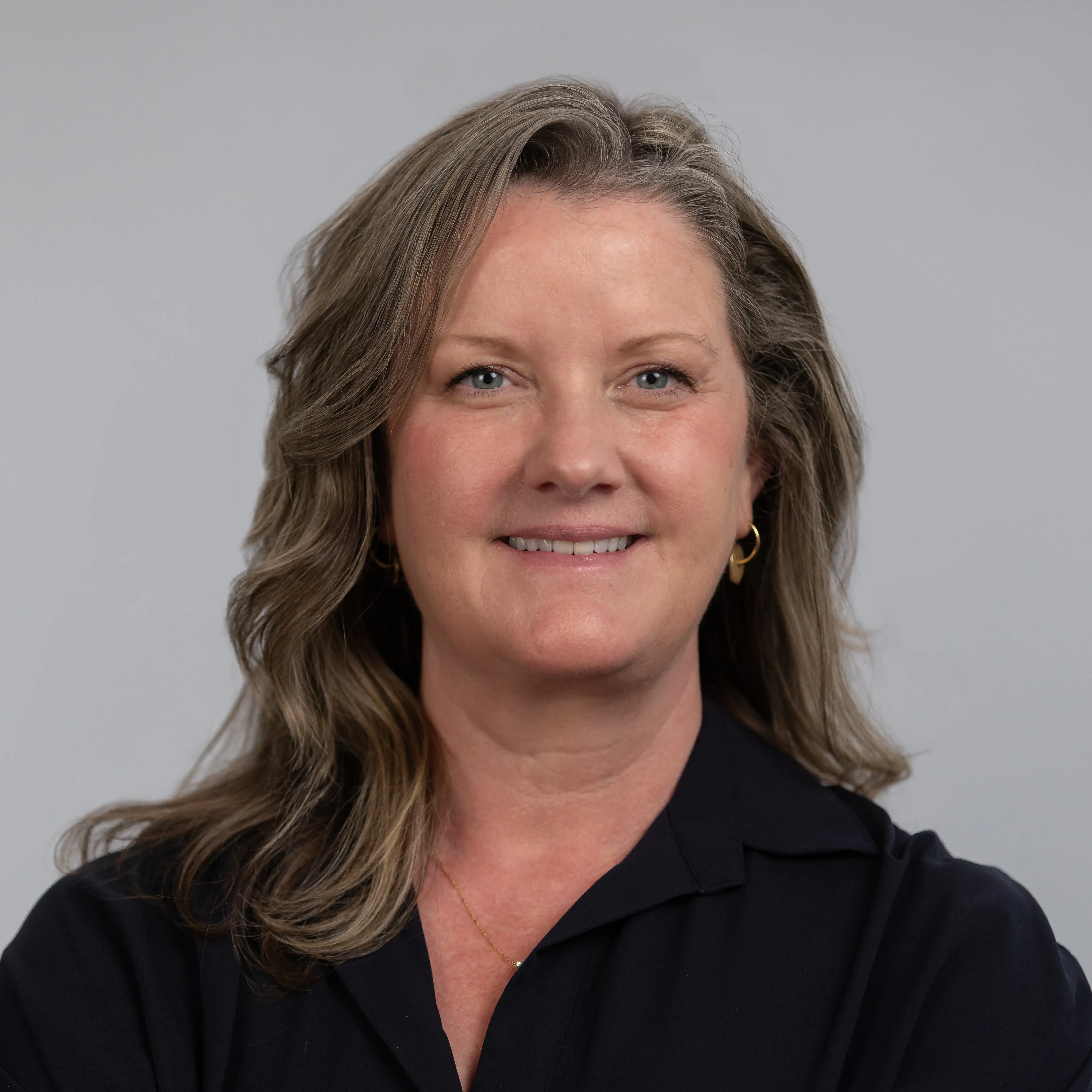
Kiva Allgood is a Managing Director at the World Economic Forum, where she leads the San Francisco office and the Centre for Advanced Manufacturing and Supply Chains. Before joining the Forum, she spent 25 years as an operator at GE, Qualcomm, Sarcos, Ericsson and Motorola. Her work focuses on how AI and automation are reshaping the factory floor, and on rebuilding the pathways into skilled work through initiatives like SmartStart, built with 70 industry partners. In 2024, Forbes named her to its 50 Over 50 Innovation list.