
A few days before this conversation was recorded, Himanshu Gupta announced that ClimateAi, the company he had spent eight years building, would close and return capital to its investors. ClimateAi helped food and agriculture companies make their supply chains more resilient to extreme weather. It worked with more than 70 of the world’s top 200 food, beverage and agriculture companies, reached over 10 million farmers, and was named one of TIME’s Best Inventions of 2022.
In this episode of Made to DO, Florian Hoffmann sits down with Himanshu in San Francisco’s Presidio. Himanshu grew up in a small town in north India, was the first generation in his family to go to college, and saw a computer for the first time in 2006. Ten years later he was running an AI company. Along the way he became the youngest person to draft the renewable energy chapter of India’s National Five-Year Plan, and he worked with Al Gore and Lord Nicholas Stern on climate economics.
This isn’t a post-mortem. It’s a conversation about where resilience comes from, why Himanshu plans his life in ten-year blocks, what worries him about who benefits from the AI boom, and why he’s now learning by building, starting with a small robot to help his toddler son learn to speak. His conviction runs through all of it: people aren’t left behind by technology. They’re left behind by access to information, access to means, and values
0:00 — Opening
1:08 — Meet Himanshu Gupta
2:33 — Intentional or Lucky?
3:43 — Growing Up in a Small Town in North India
6:41 — The Ten-Year Rule
7:58 — Why He Closed ClimateAi
10:59 — The Confidence to Start Again
12:41 — What Real Resilience Looks Like
17:43 — Raising a Resilient Child
19:41 — AI, Wealth and Who Gets Left Out
24:23 — From Changing the World to Becoming a Billionaire
26:24 — Who Can Shift the Incentives?
30:33 — Learning by Building
32:58 — How to Get Started
34:47 — The Next Ten Years
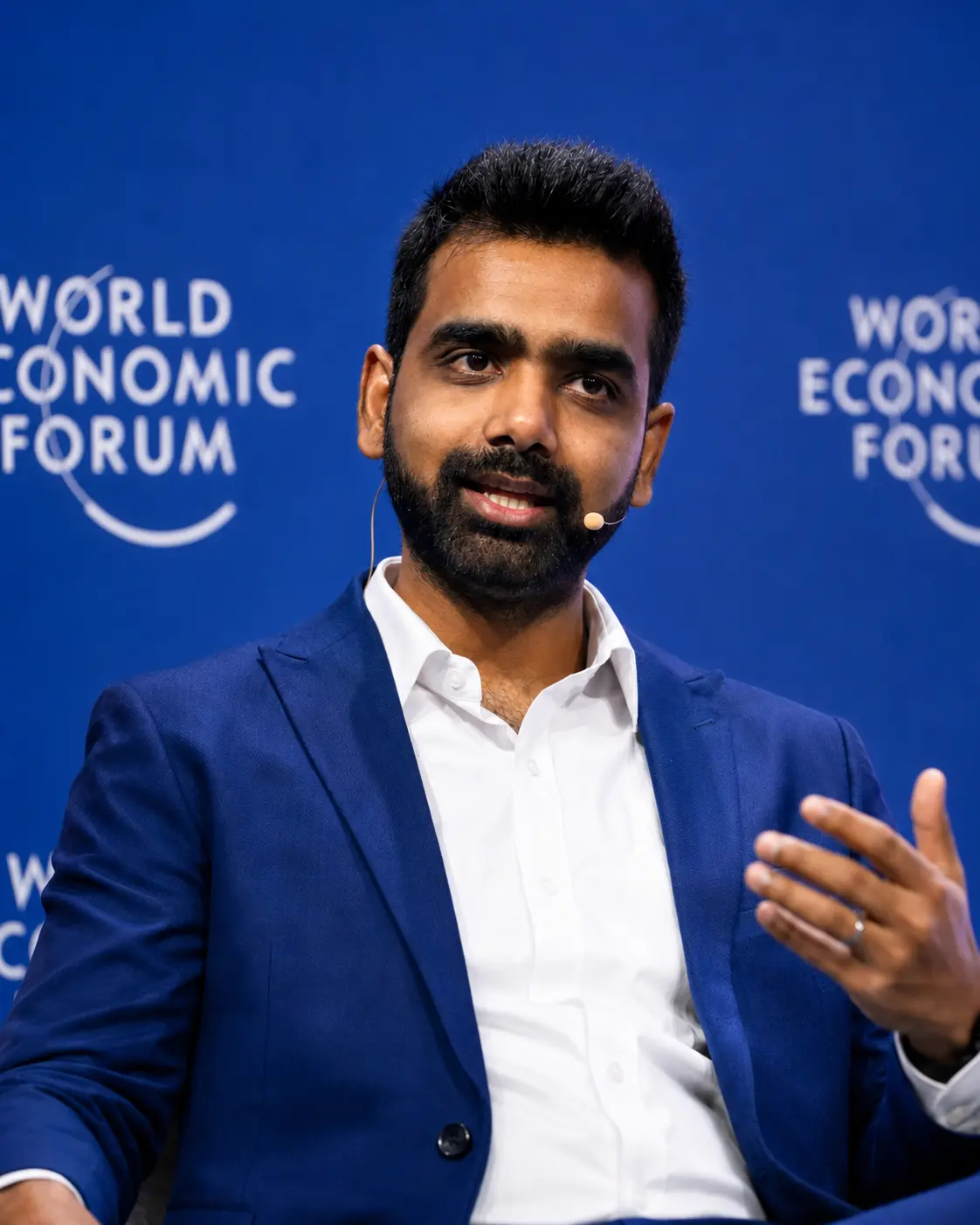
Himanshu Gupta is the co-founder and CEO of ClimateAi, which helped food and agriculture companies make their supply chains more resilient to extreme weather. Under his leadership, ClimateAi worked with more than 70 of the world’s top 200 food, beverage and agriculture companies, reached over 10 million farmers, and was named one of TIME’s Best Inventions of 2022. He grew up in a small town in north India, was the first in his family to go to college, and became the youngest person to draft the renewable energy chapter of India’s National Five-Year Plan. He has also worked with Al Gore and Lord Nicholas Stern on climate economics.